




E-Commerce SEO
You sell products on your website and you know that increased organic visibility usually means more sales. An e-commerce SEO strategy leverages technical SEO, content and link acquisition to improve search engine rankings, acquire new customers and help you move inventory.





Strategy for E-Commerce SEO Campaigns
E-commerce SEO is an important part of any digital marketing strategy for online stores. It helps to increase website visibility, boost rankings in search engine results, and drive more organic traffic to your site. With the right SEO strategies and tactics, you can maximize the success of your e-commerce business and reach a larger audience.
There are several key elements to consider when creating an effective e-commerce SEO strategy. Researching and selecting the right keywords, optimizing product pages for search engines, and leveraging off-page SEO tactics such as link acquisition are all important aspects of e-commerce SEO. Additionally, tracking website performance using analytics tools can help you to identify areas that need improvement and measure overall success.
Strategy for E-Commerce SEO Campaigns
E-commerce SEO is an important part of any digital marketing strategy for online stores. It helps to increase website visibility, boost rankings in search engine results, and drive more organic traffic to your site. With the right SEO strategies and tactics, you can maximize the success of your e-commerce business and reach a larger audience.
There are several key elements to consider when creating an effective e-commerce SEO strategy. Researching and selecting the right keywords, optimizing product pages for search engines, and leveraging off-page SEO tactics such as link acquisition are all important aspects of e-commerce SEO. Additionally, tracking website performance using analytics tools can help you to identify areas that need improvement and measure overall success.
What Does An E-Commerce SEO Strategy Entail?
E-Commerce Technical SEO
Proficiency and a strong understanding of technical SEO is a must for e-commerce stores to be successful. Proper meta data, pagespeed, product taxonomy, images and crawlability are all examples of how to improve performance in organic search results.
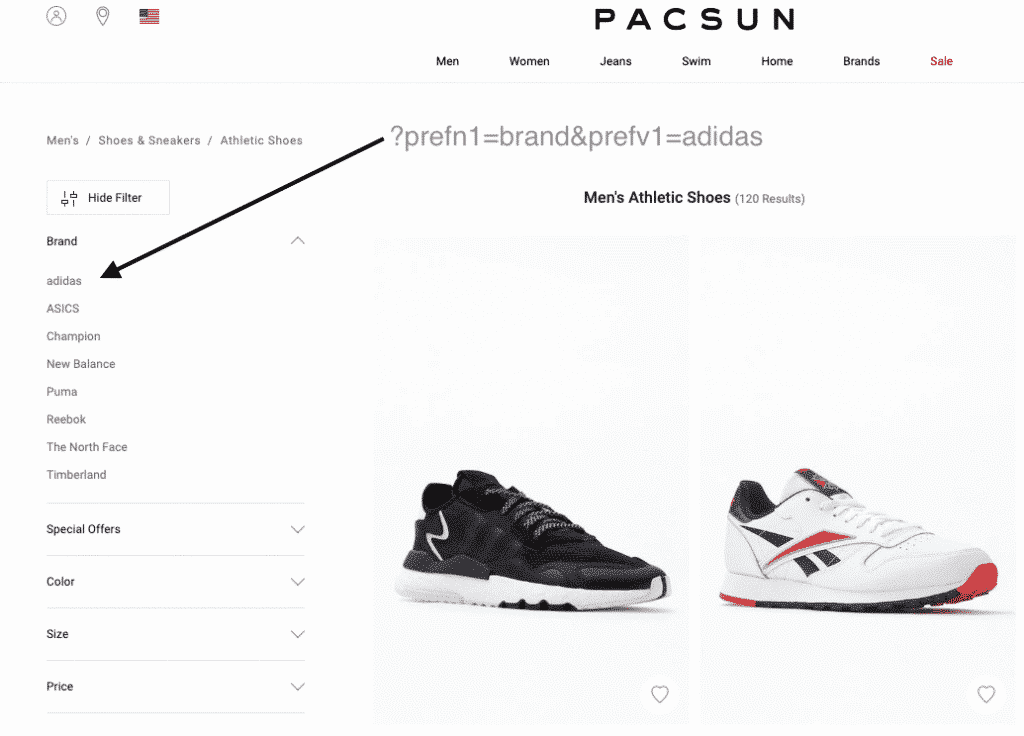
Technical SEO starts by understanding the backend of an e-commerce platform like Shopify or BigCommerce. While these platforms have robust shopping features, they tend to need improvements in how search engines read your site. We have a solid understanding of how to improve development areas of these platforms to be more SEO-friendly. This also includes optimizing crawl budget through product assortment sorting and faceted navigation.
E-Commerce Technical SEO
Proficiency and a strong understanding of technical SEO is a must for e-commerce stores to be successful. Proper meta data, pagespeed, product taxonomy, images and crawlability are all examples of how to improve performance in organic search results.
Technical SEO starts by understanding the backend of an e-commerce platform like Shopify or BigCommerce. While these platforms have robust shopping features, they tend to need improvements in how search engines read your site. We have a solid understanding of how to improve development areas of these platforms to be more SEO-friendly. This also includes optimizing crawl budget through product assortment sorting and faceted navigation.

E-Commerce Content
An e-commerce store’s content is usually comprised of product descriptions, category pages, collection pages and retail brand content. There is tremendous opportunity in optimizing this content and finding ways to surface new keywords tied to these different page types.
We start with a thorough understanding of your products and the brands you offer on your website. This allows us to identify gaps in content compared to other retailers selling the same products and brands. How-to articles and guides round out the content plan and ensure your site is seen as the expert resource in your niche.
E-Commerce Tracking & Analytics
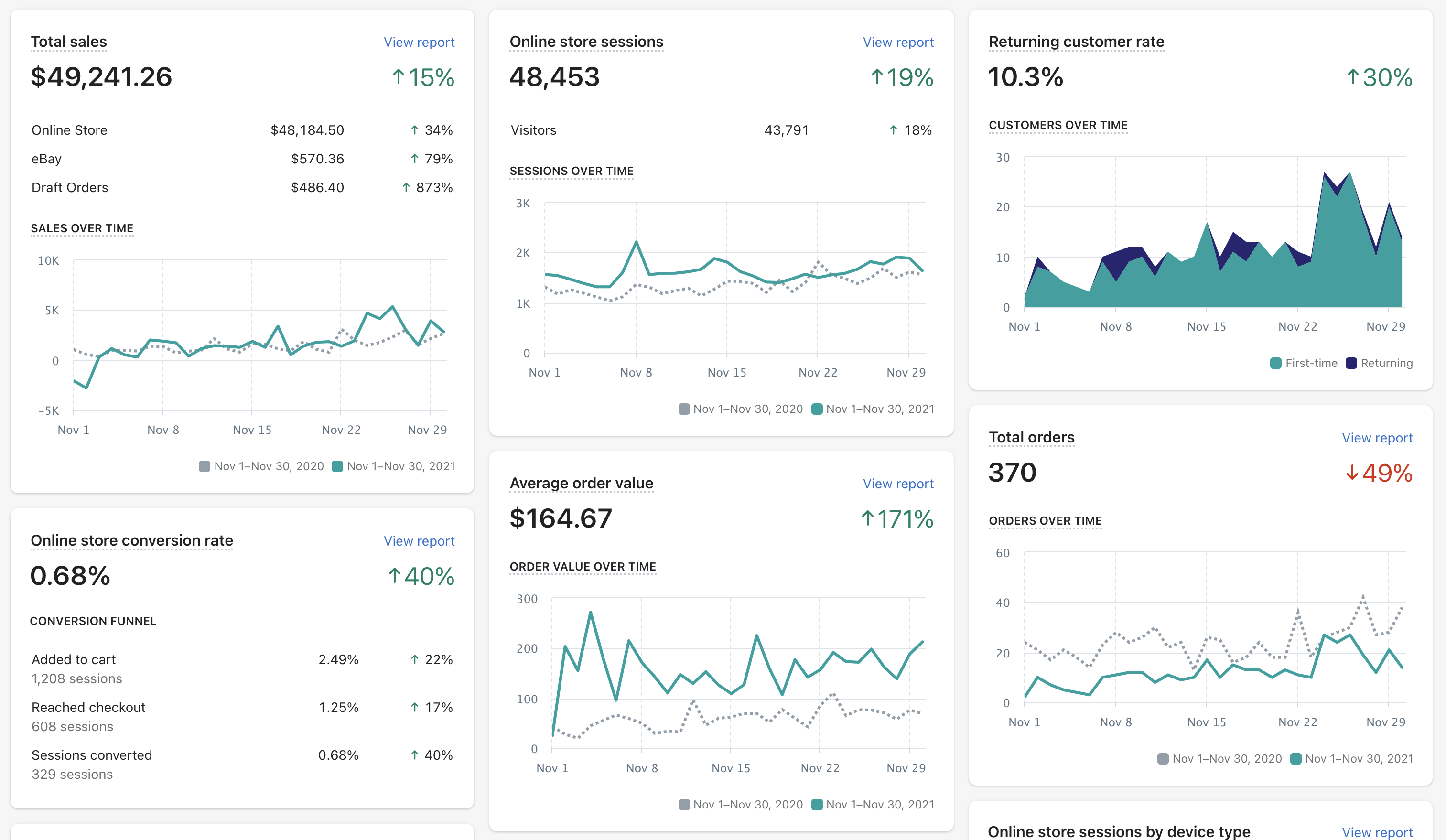
Tracking actions, behaviors and sales on an e-commerce website is critical to improving sales. By understanding top-selling products, pages that convert most visitors, average order value (AOV) and the behaviors that drive up sales, we can focus our energy on optimizing the most profitable areas of your site.
Data about your e-commerce store also informs the content strategy and how to better improve the pages that customers engage most with.
E-Commerce Tracking & Analytics
Tracking actions, behaviors and sales on an e-commerce website is critical to improving sales. By understanding top-selling products, pages that convert most visitors, average order value (AOV) and the behaviors that drive up sales, we can focus our energy on optimizing the most profitable areas of your site.
Data about your e-commerce store also informs the content strategy and how to better improve the pages that customers engage most with.
Link Acquisition for E-Commerce Stores
Links are just as important to e-commerce SEO as they are to any other SEO strategy.
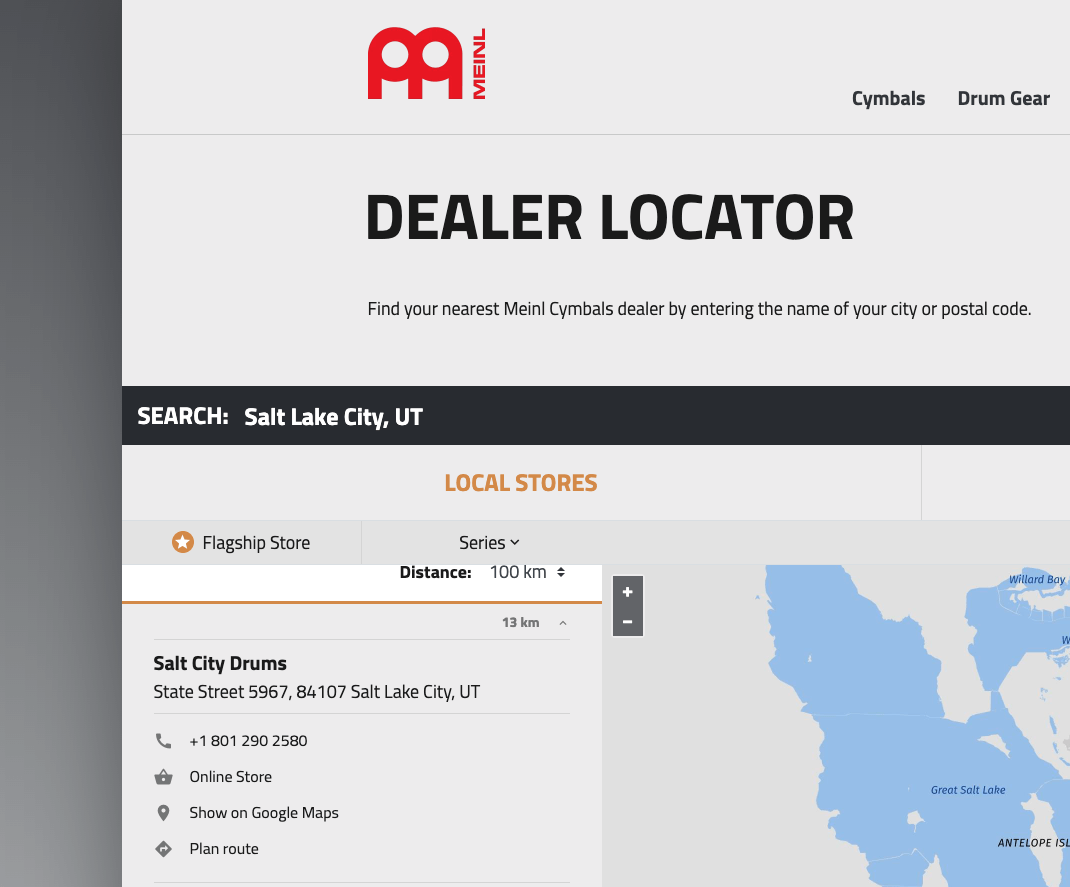
By analyzing the links your product and category pages receive, we can better identify where there is an opportunity for improvement. We also work to implement resource page and “where to buy” links from any vendors, manufacturers or partners you work with; these links are highly-relevant to users and are often rewarded by Google.
Analyzing top-linked pages can also be helpful to developing an internal linking strategy, pointing users and search engines to other important pages on your site that you want to increase visibility to.
Grow Traffic & Sales
The ultimate goal of any e-commerce marketing tactic, including SEO, is to increase sales. There are many factors that influence sales, however, by focusing on SEO initiatives to increase organic traffic to your site, you can lay the groundwork for growth in both traffic and sales.
By targeting relevant keywords with content creation and link-building activities, you can drive more users to your online store who are already interested in what you have to offer. This increases the chances of conversion and, ultimately, more sales. Additionally, by taking the time to optimize your website’s structure and content for SEO purposes, you can improve its overall visibility in search engine results pages (SERPs). This will help ensure that more users find your site when they search for relevant products or services.

Grow Traffic & Sales
The ultimate goal of any e-commerce marketing tactic, including SEO, is to increase sales. There are many factors that influence sales, however, by focusing on SEO initiatives to increase organic traffic to your site, you can lay the groundwork for growth in both traffic and sales.
By targeting relevant keywords with content creation and link-building activities, you can drive more users to your online store who are already interested in what you have to offer. This increases the chances of conversion and, ultimately, more sales. Additionally, by taking the time to optimize your website’s structure and content for SEO purposes, you can improve its overall visibility in search engine results pages (SERPs). This will help ensure that more users find your site when they search for relevant products or services.
Frequently Asked Questions About E-Commerce SEO
How does e-commerce SEO differ from traditional SEO?
E-commerce SEO differs from traditional SEO in several ways. First, the goal of e-commerce SEO is to drive more qualified traffic to your online store and increase sales conversions. This means focusing on keywords related to product types or categories instead of generic topics as you would with traditional SEO. Additionally, the optimization techniques used for e-commerce sites must take into account the unique structure of these sites, including product pages, category pages, and on-site search. And content optimization for e-commerce SEO focuses heavily on product descriptions to help customers make an informed decision and increase conversions.
Why is SEO important for online stores?
SEO is essential for online stores because it helps to increase visibility, organic traffic, and ranking in search engine results. SEO includes optimizing website content to include relevant keywords and phrases that are related to the products or services offered by the store. Additionally, good SEO practices include providing quality content that is easy for visitors to find and navigate when they search for related information. This helps to build trust with potential customers and can increase the chances of them making a purchase from your store. In order to maximize the benefits of SEO, it is important to invest in quality SEO services that can help you create an effective strategy that will give your online store maximum exposure and visibility.
What e-commerce platforms need SEO enhancements?
There are many different e-commerce platforms available today including WooCommerce, Squarespace and Shopify to higher-end solutions like Magento and Salesforce Commerce Cloud. Each platform has its own limitations that have an impact on SEO, so it’s important to work close with developers to improve the SEO of the content management system you use.
Is technical SEO important for e-commerce?
A few of the most important e-commerce technical SEO aspects include optimizing page load speed, improving mobile responsiveness, creating search-friendly URLs, and utilizing structured data where appropriate. Additionally, crawl optimizations through advanced technical SEO measures (like optimizing sorting rules and faceted navigation) improve indexation and ultimately, rankings.
Should I create unique product descriptions for SEO?
Yes, it is beneficial to create unique product descriptions for SEO. Doing so will help your website rank higher in search rankings and increase the chances of potential customers being able to find your products online. Unique product descriptions should include relevant keywords that describe the product and are optimized for both search engines and readers. Additionally, adding high-quality images with captions along with detailed product descriptions can help optimize your website for search engines. Creating unique and optimized product descriptions is an essential part of any successful SEO strategy.
Should I have content for category pages?
Yes, it is important to have content for category pages. Creating well-written content for each category page can help potential customers find what they need more quickly and efficiently. Additionally, having unique content for category pages allows search engines to better index and rank your site in their search results, and category pages link into product pages. Therefore, investing time and effort into creating quality content for each of your category pages can help with overall website performance.
Should I have content for brand pages?
This is a mixed answer – in most cases, yes, it’s important to have content to describe the brands your website sells. However, if a brand does not have a lot of search volume, then even the best content won’t attract much traffic. Review each brand you sell and prioritize content needs by the most important brands available on your site.
Are links important to e-commerce SEO?
Yes, links are an important aspect of e-commerce SEO. Links help search engine bots discover and crawl pages on a website, as well as help assign relevancy to the content of those pages. Additionally, having links from other websites pointing back to your site can boost the trustworthiness and authority of your site in the eyes of search engines. This will result in higher rankings and more visibility for your e-commerce pages.
E-Commerce SEO Tips and Advice
Are Citations Still Important to Local SEO in 2024?
What Are Citations in Local SEO? Citations are essential for companies seeking to improve their local SEO. They mention a company's name, address, and phone number (NAP) on other websites. Citations...

From HARO to Connectively: A New Platform for Quote Links
HARO is Now Connectively.us Digital marketing is constantly moving, with new tools and platforms popping up left and right. A significant change that’s recently caught the eye of many in the SEO and...
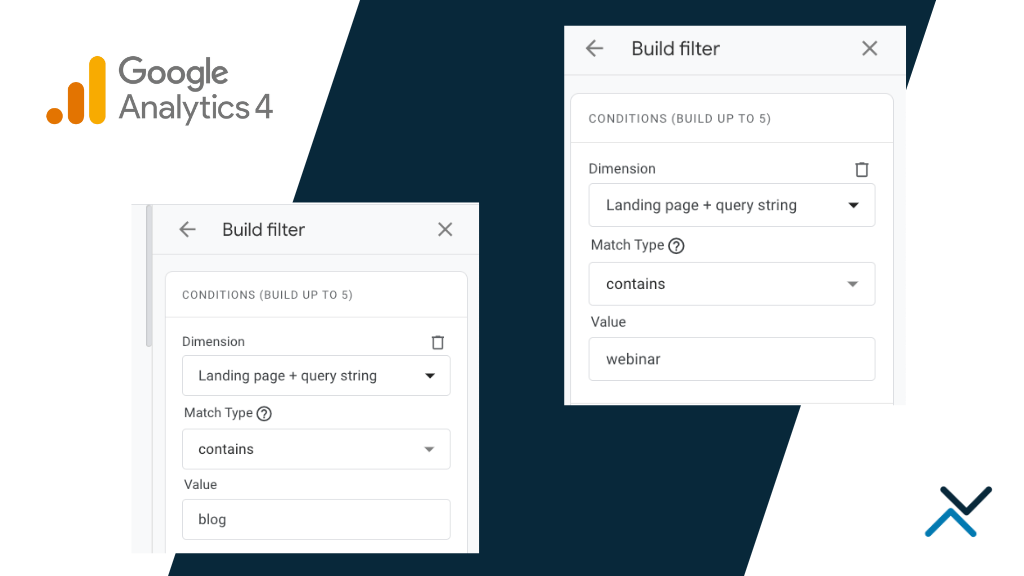
Google Analytics 4: How Do You Check Traffic for Different Groups of Pages?
How Do You Filter Traffic by Landing Page or Page Grouping in Google Analytics 4 (GA4)? Understanding your audience's behavior is paramount in digital marketing and website management. With the...

March Madness: Google Rolling Out Major Search Quality Update
Google has begun rolling out its latest algorithm update targeted toward websites with unhelpful content that is either autogenerated or generated from AI like OpenAI's ChatGPT. It's the first major...

The Essential KPIs for An SEO Campaign
What SEO KPIs Are Important? The effectiveness of SEO key performance indicators (KPIs) lies in their ability to provide tangible insights into a website's performance in search engine results....

7 Ways to Optimize Images for SEO
In the US, 20% of searches occur on Google Images, underscoring the importance of carefully selecting images for web content. Google advises optimizing images according to its guidelines to boost...

Why Are HARO Links Important to SEO?
HARO, which stands for Help a Reporter Out, is a well-known platform that connects journalists and bloggers with relevant expert sources. The symbiotic relationship fostered by HARO can...

24 Tips to Improve SEO in 2024
As we embark on 2024, the dynamic world of SEO continues to evolve with new technological advancements and changing user behaviors. With the rise of AI, generative search and constant SERP updates,...
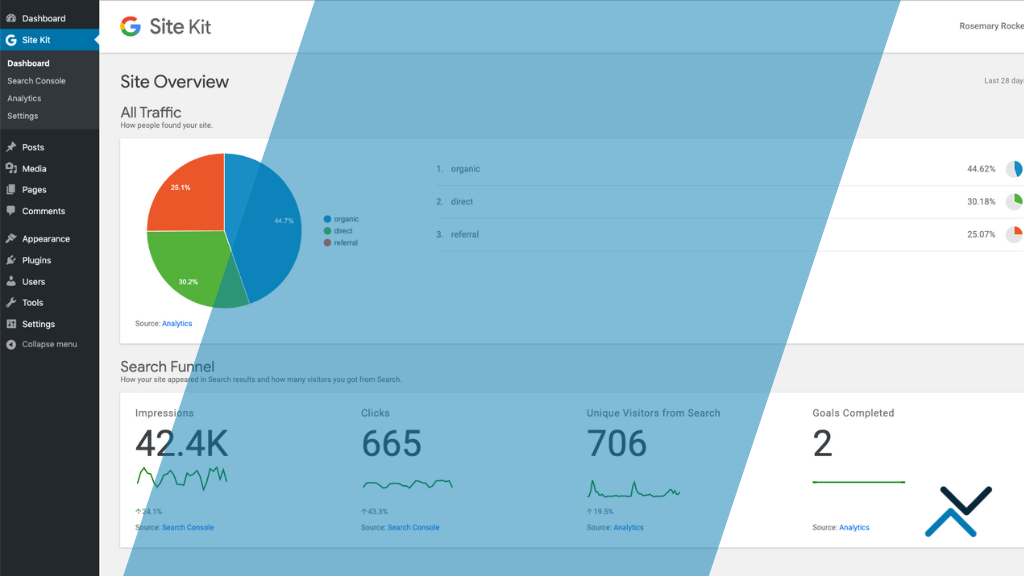
What is Google Site Kit?
Google Site Kit is an essential plugin for WordPress users, offering seamless integration of various Google services like Analytics, AdSense, PageSpeed Insights and Search Console into WordPress...

7 Link Development Ideas to Consider
As part of a digital marketing strategy, it's imperative to be continuously improving your SEO so that your website is easily discoverable by search engines. One of the best ways to achieve this is...

Key Highlights from BrightonSEO San Diego
The inaugural BrightonSEO conference in the United States has come to an end. Held in sunny San Diego, California, the conference featured a variety of speakers covering the latest and greatest...
How to Provide Google Business Profile Access
Having a strong online footprint is essential for businesses today, regardless of their size or industry or location. Google Business Profile, previously known as Google My Business, is leading this...
The Octiv Note
Stay up-to-date with the latest news and tips from the world of digital marketing, web development, and SEO!
GET HELP
Connect with Us